Find the gaps. Automate. Scale.
MDCI closes automation gaps with the simplest effective solution — not a facility-wide redesign. You can browse what we do two ways: by the technology that solves the gap, or by the operation zone where the gap lives. Engineers tend to start with the first, operations leaders with the second. Both land in the same place: a solved constraint and a documented path to scale it.
Browse by technology
Robotics
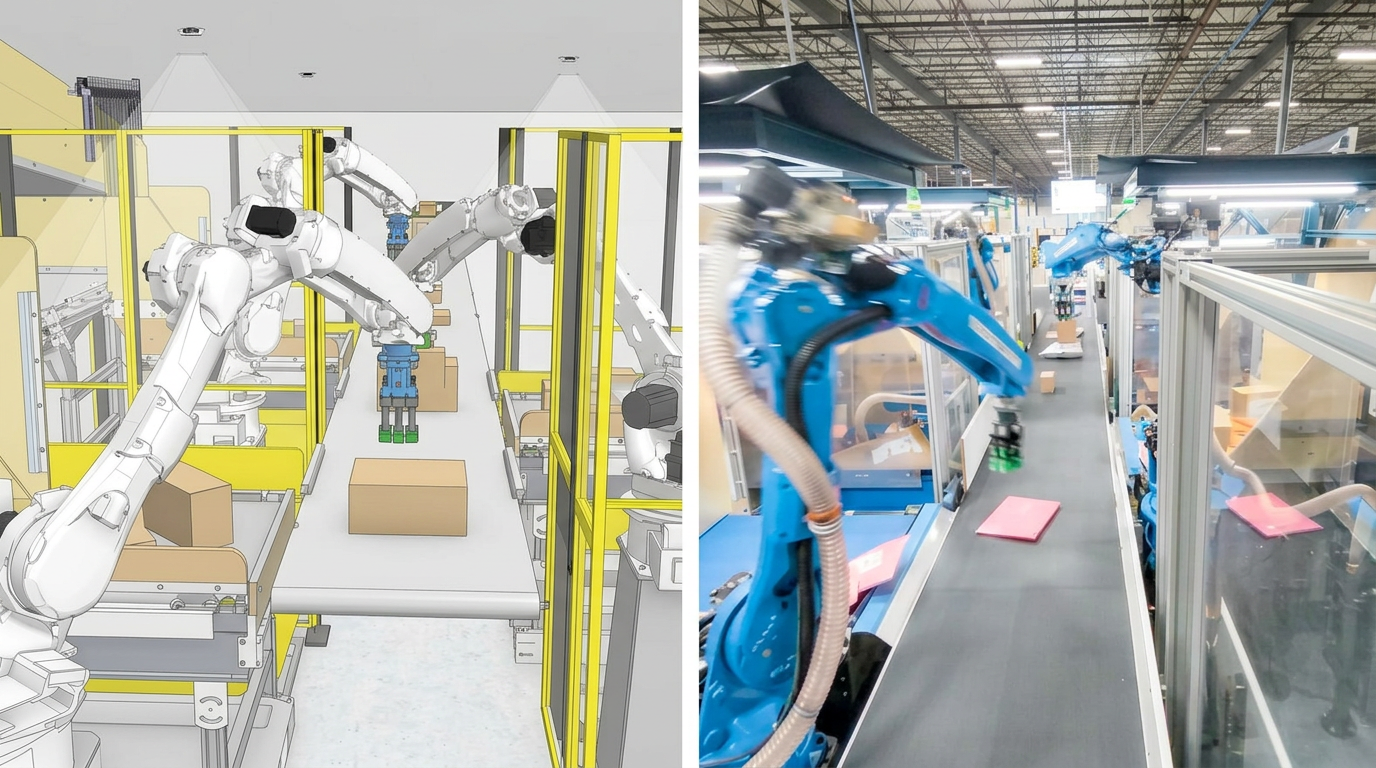
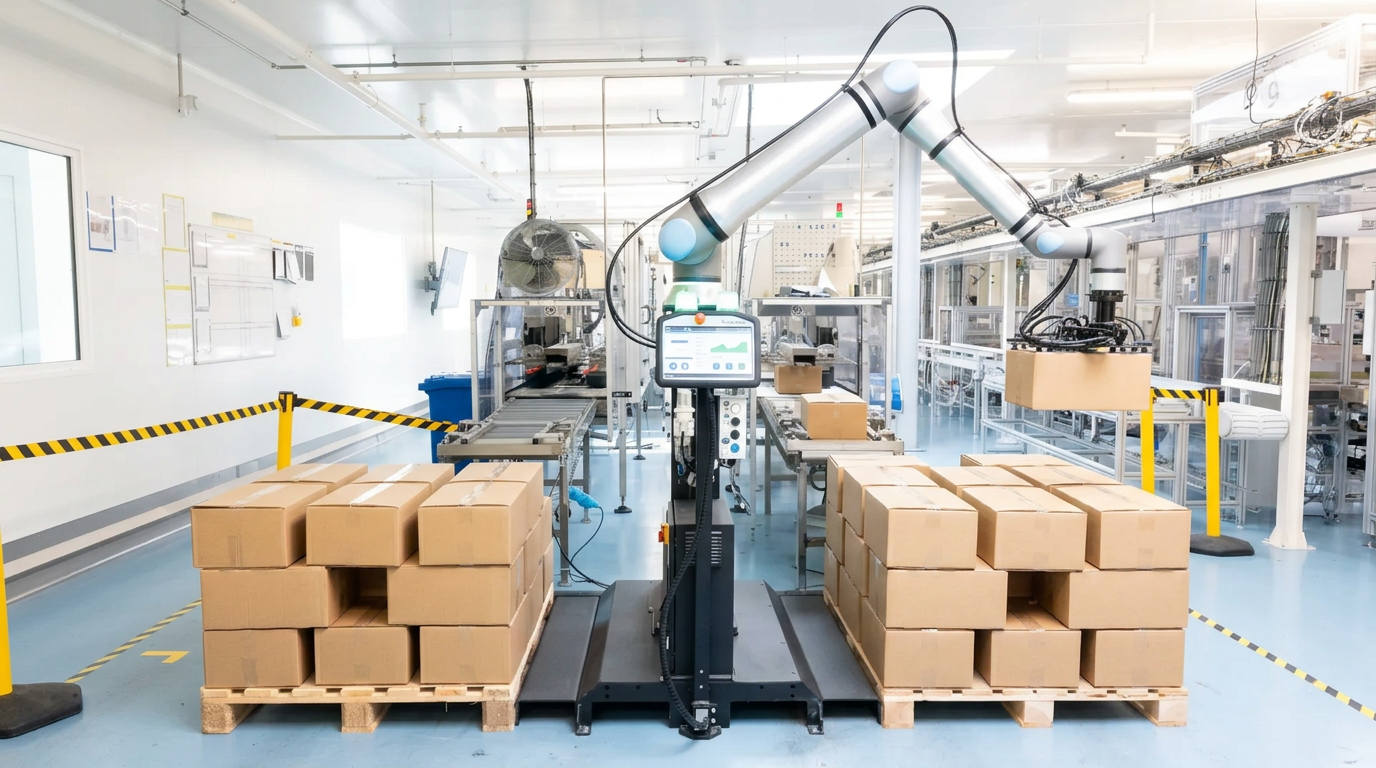
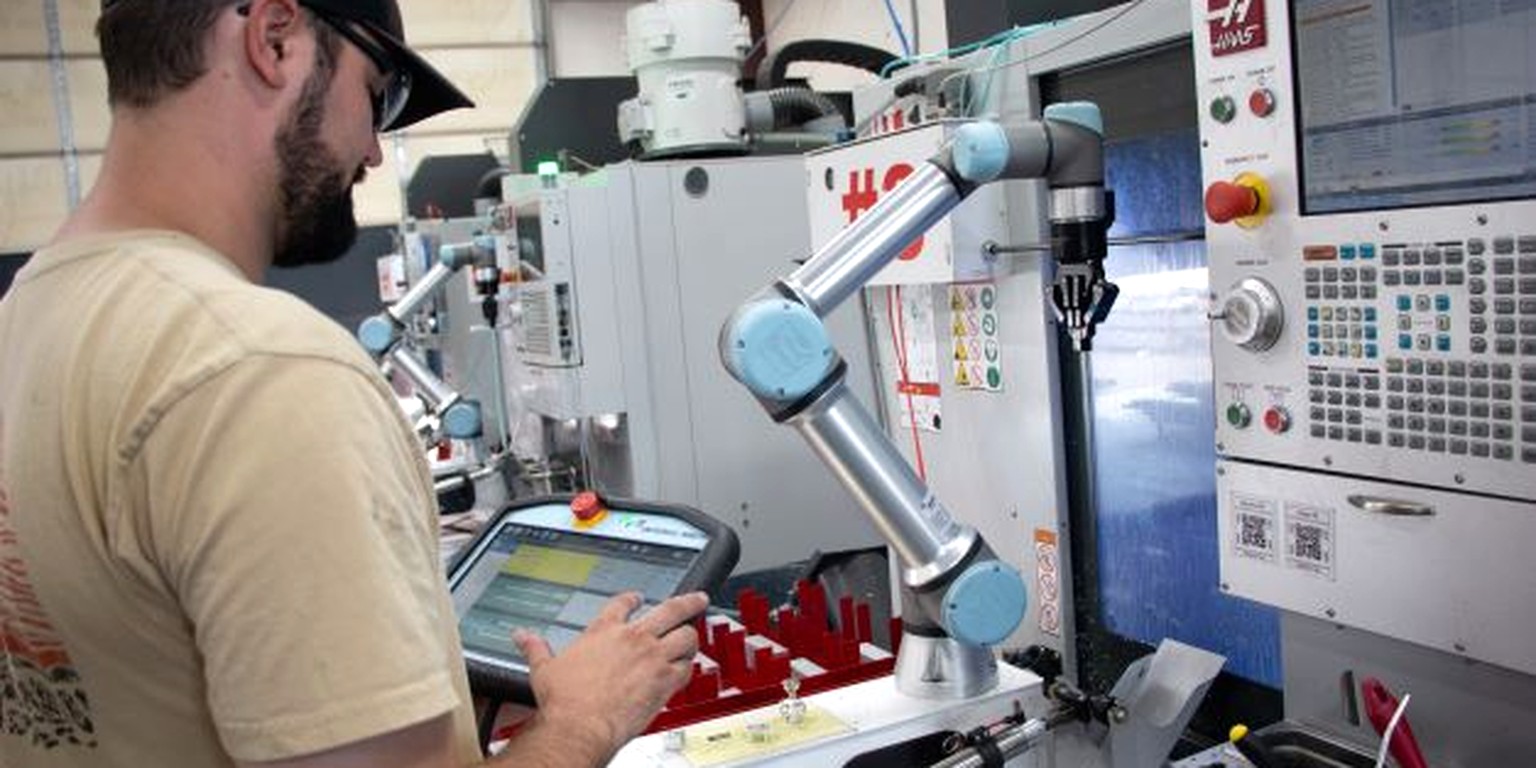
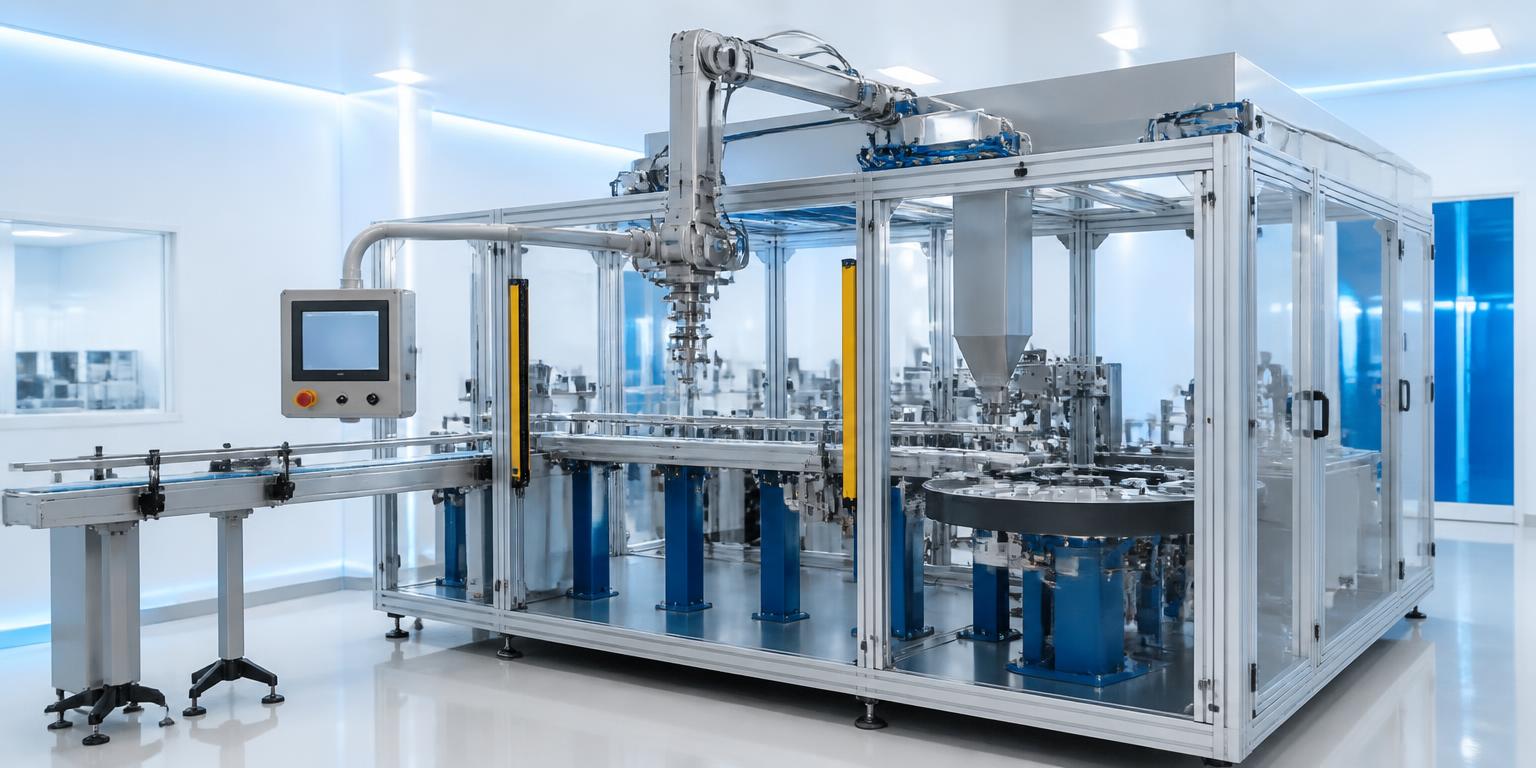
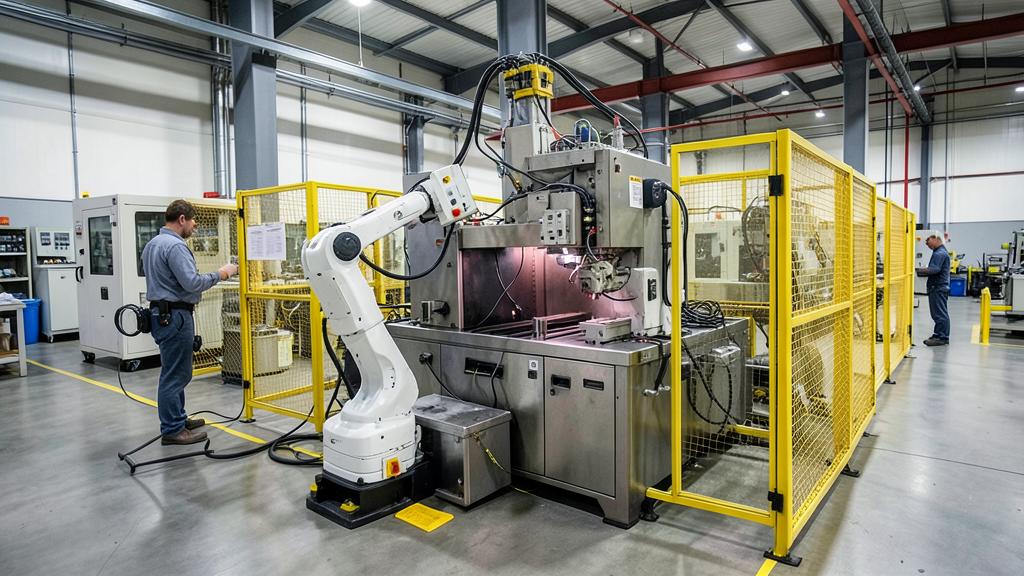
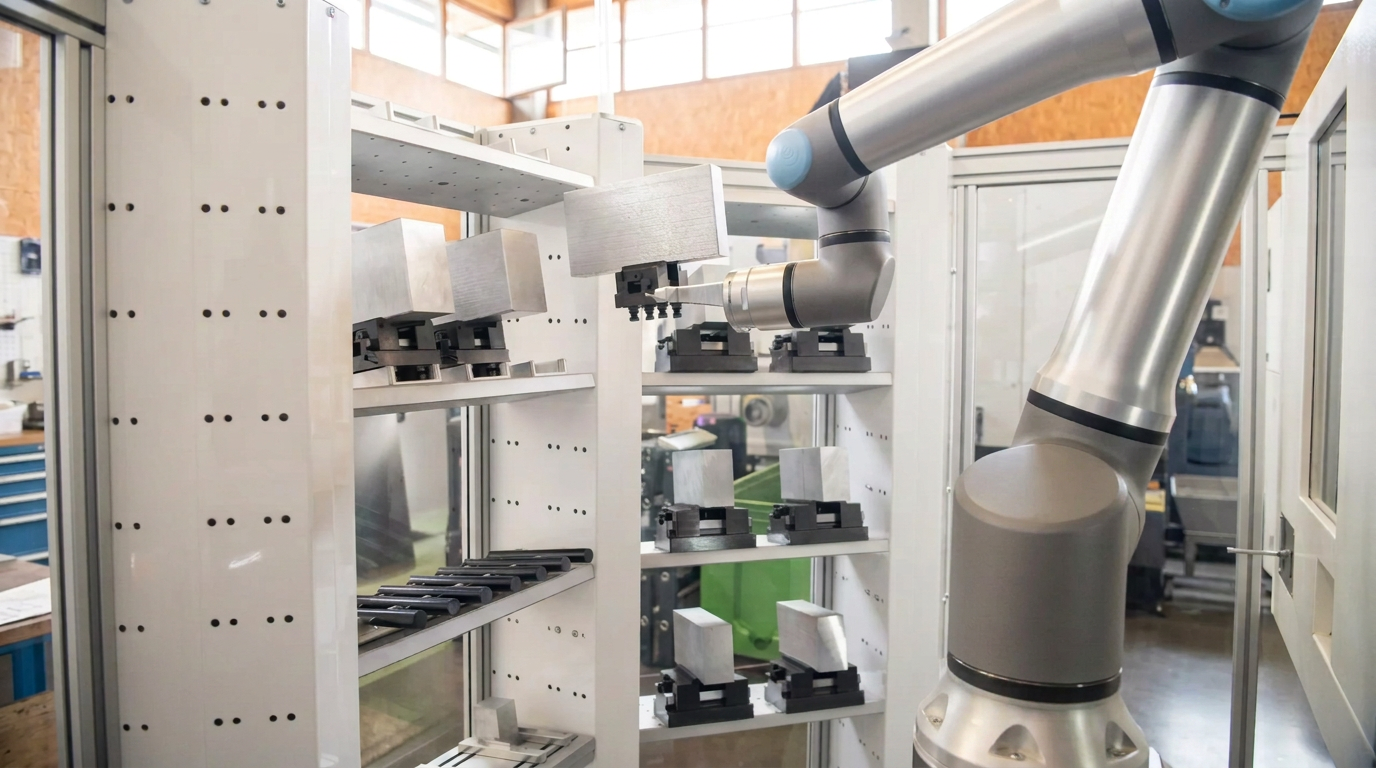
Reduce the manual touches that remain around your automated lines. Robotic induction, kitting, machine tending, palletizing, and depalletizing — applied to a specific station, integrated with your existing controls, and sized to the problem rather than the whole building.
Applications: parcel induction, CNC machine tending, cobot palletizing, depal, kitting.
Machine Vision, Scanning & RFID
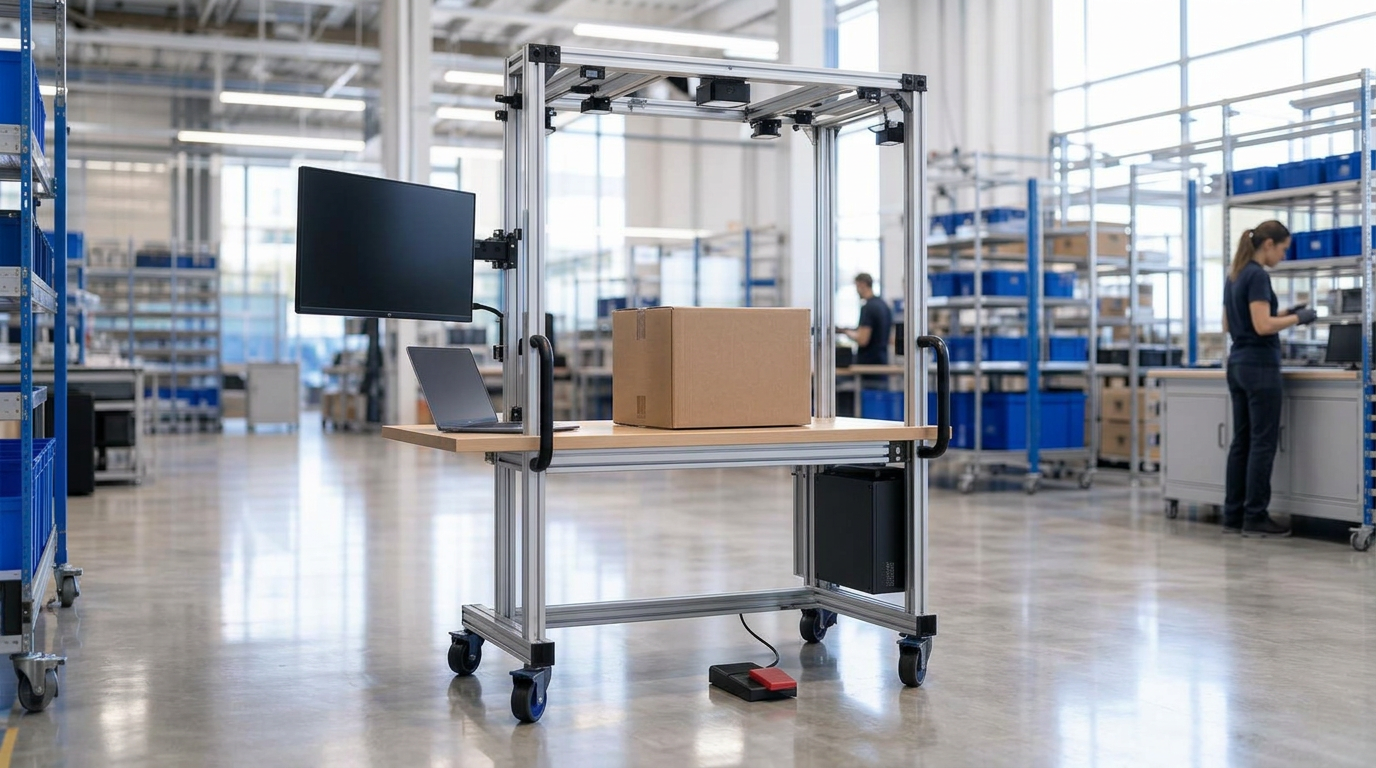
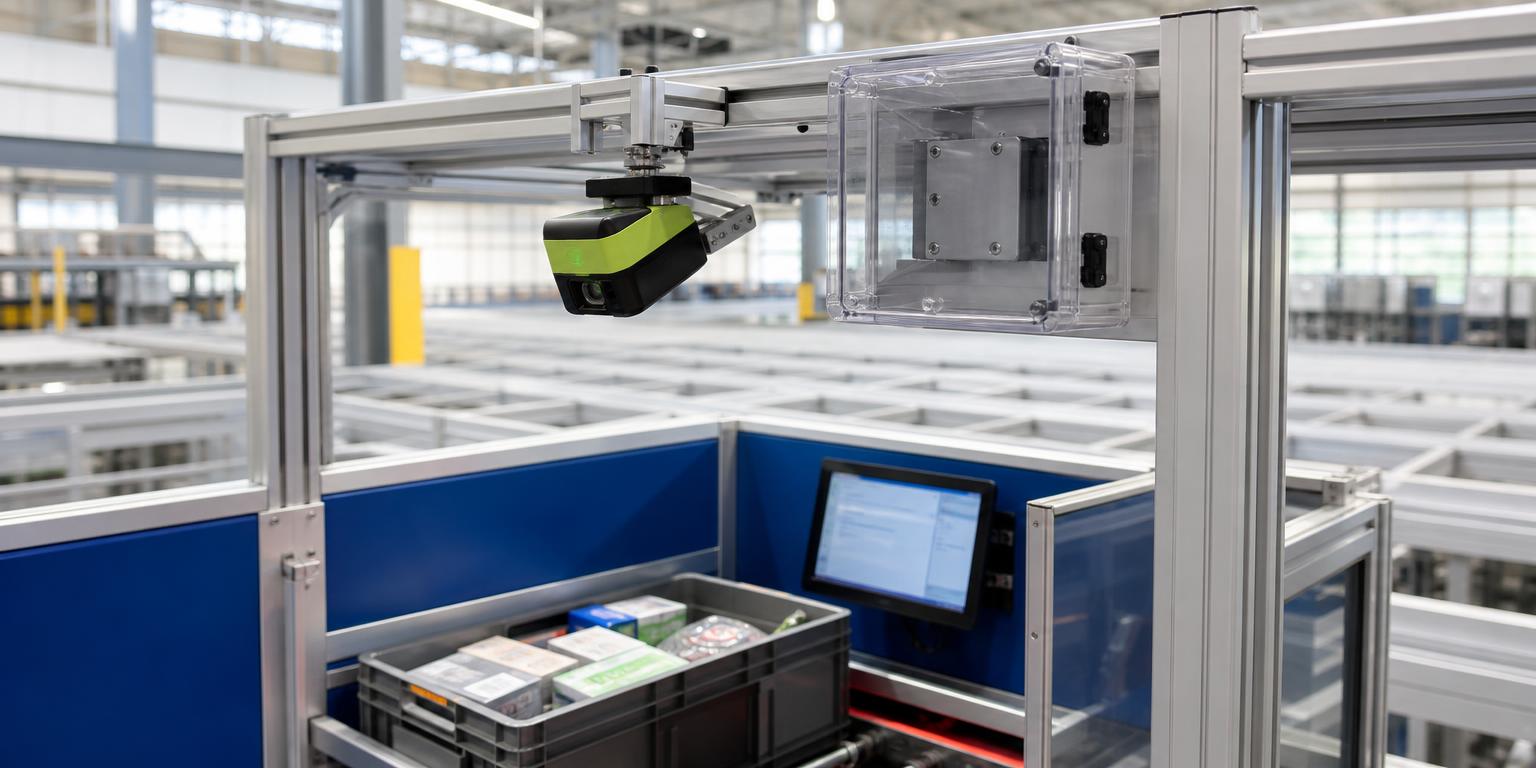
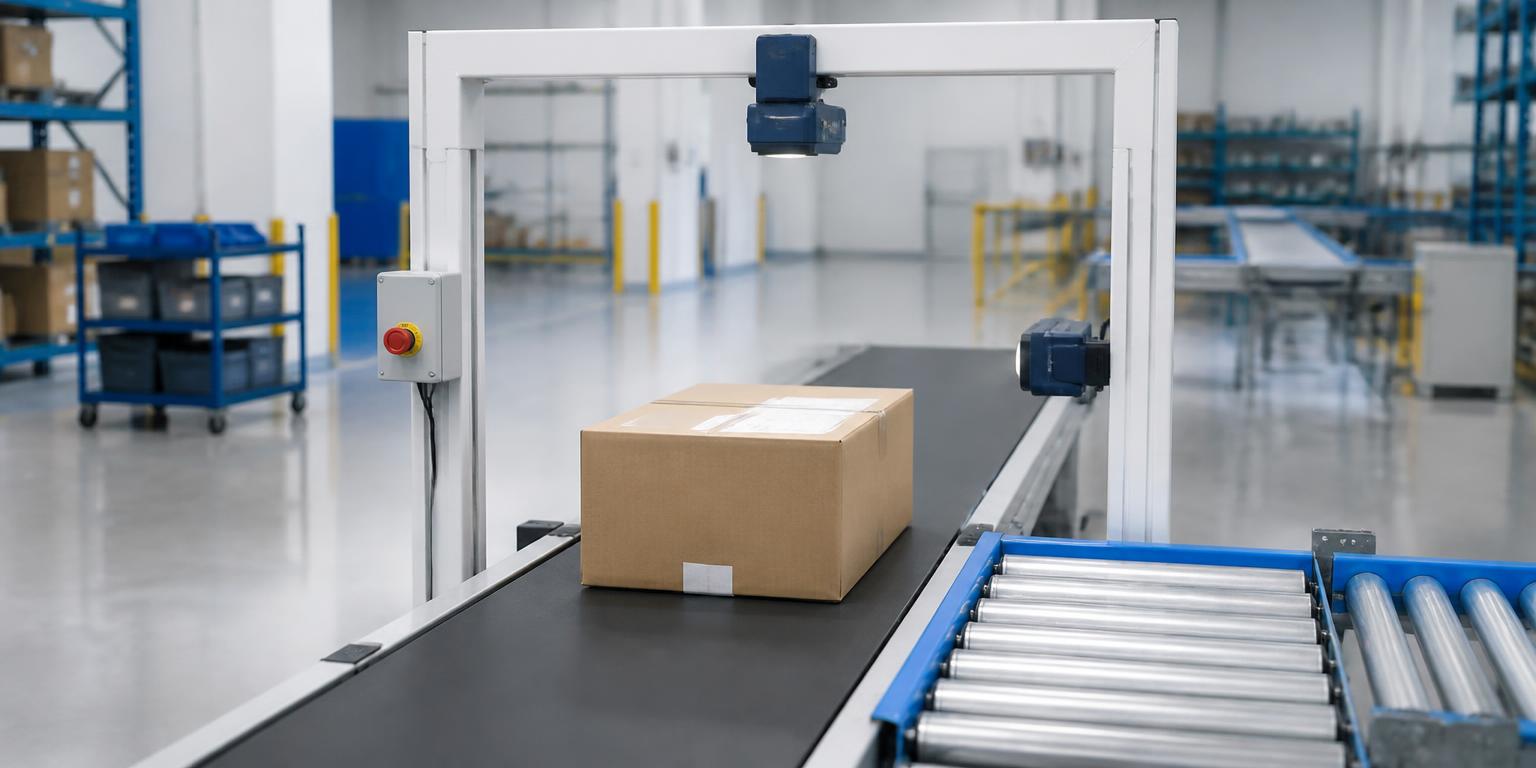
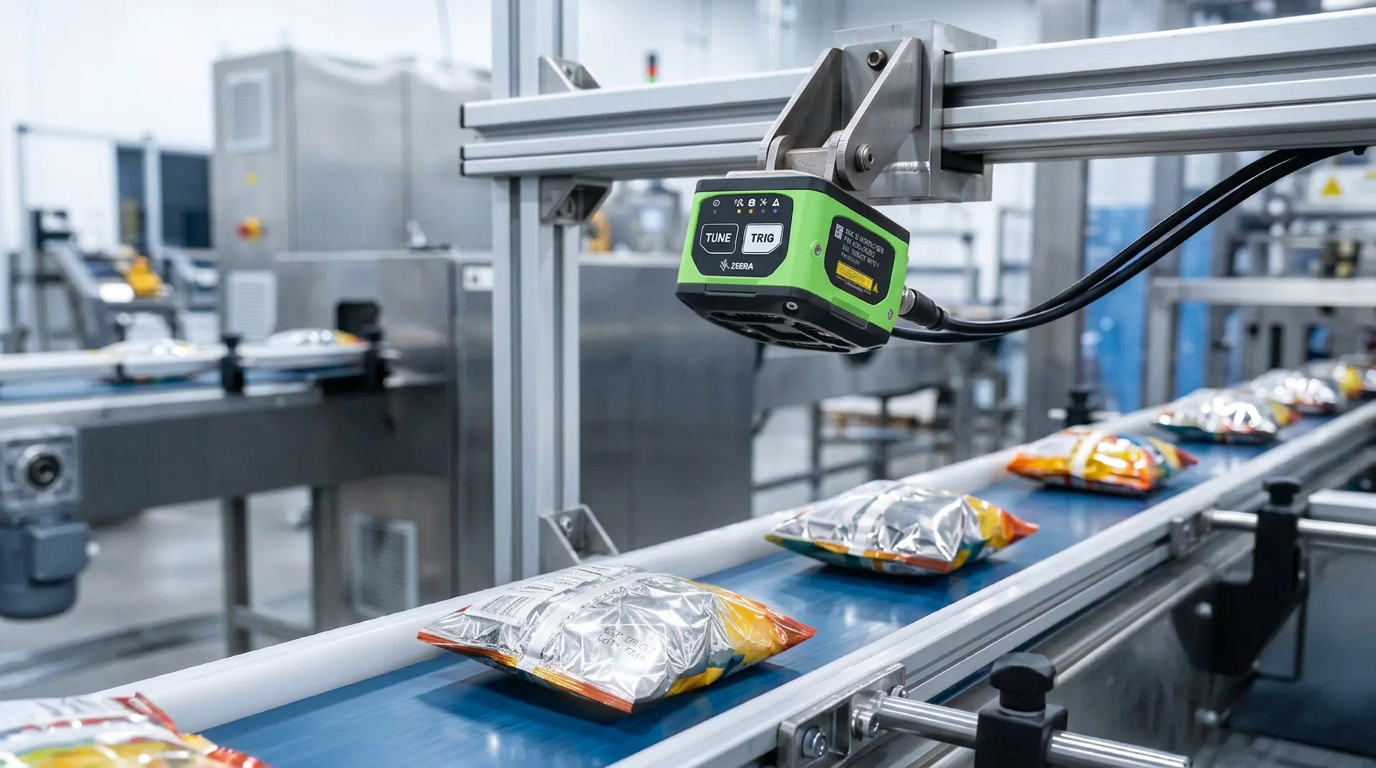
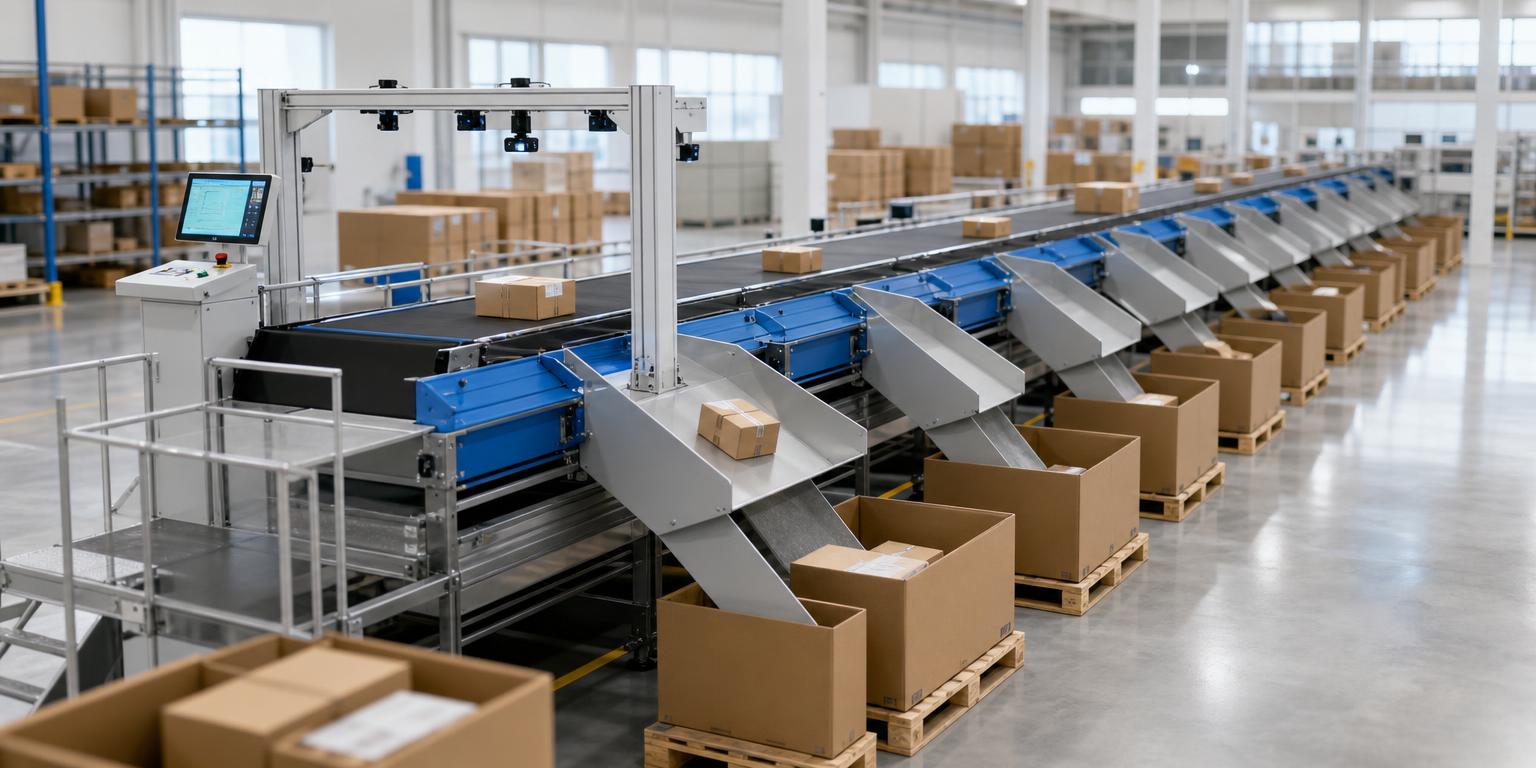
Increase scan and verify speed and take quality checks off the operator. Scan tunnels, overhead and pass-under scanning, five-sided pack-station cameras, OCR, defect detection, and RFID asset tracking to replace manual barcode handling.
Applications: scan tunnels, fixed overhead scanning, hands-free pack stations, label QC, RFID tracking.
AMRs, Buffering & Conveyance
Controls & Systems Integration
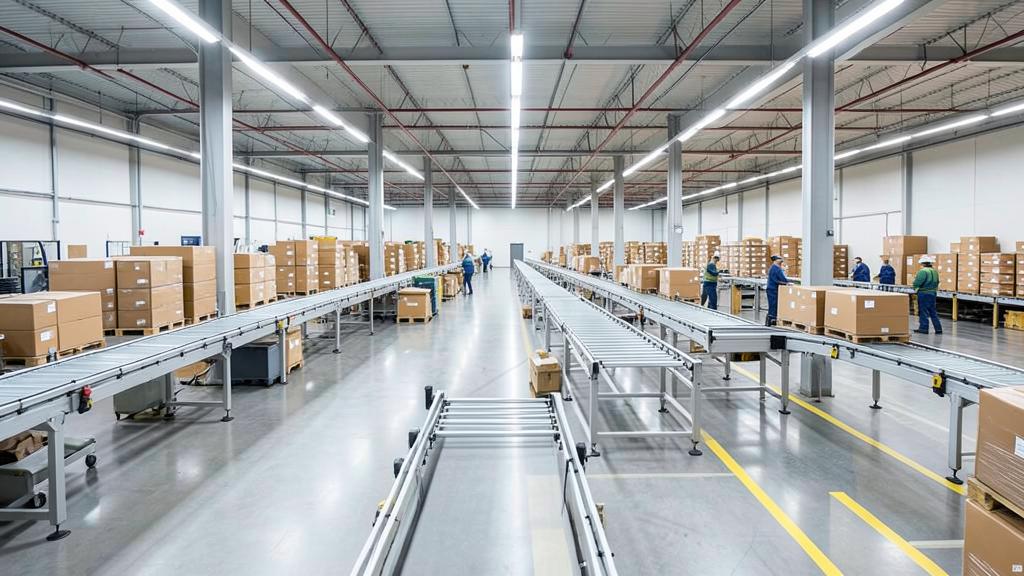
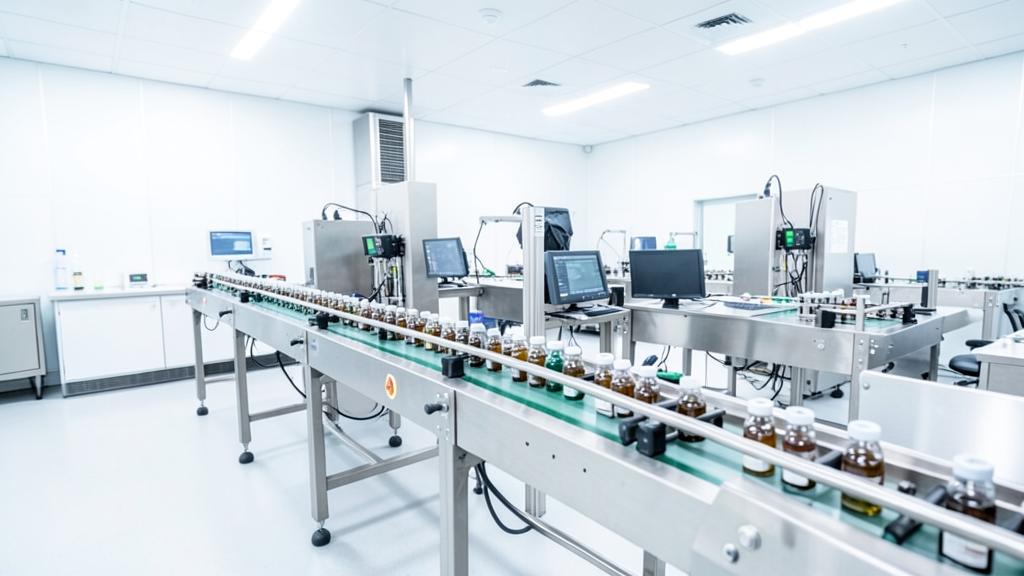
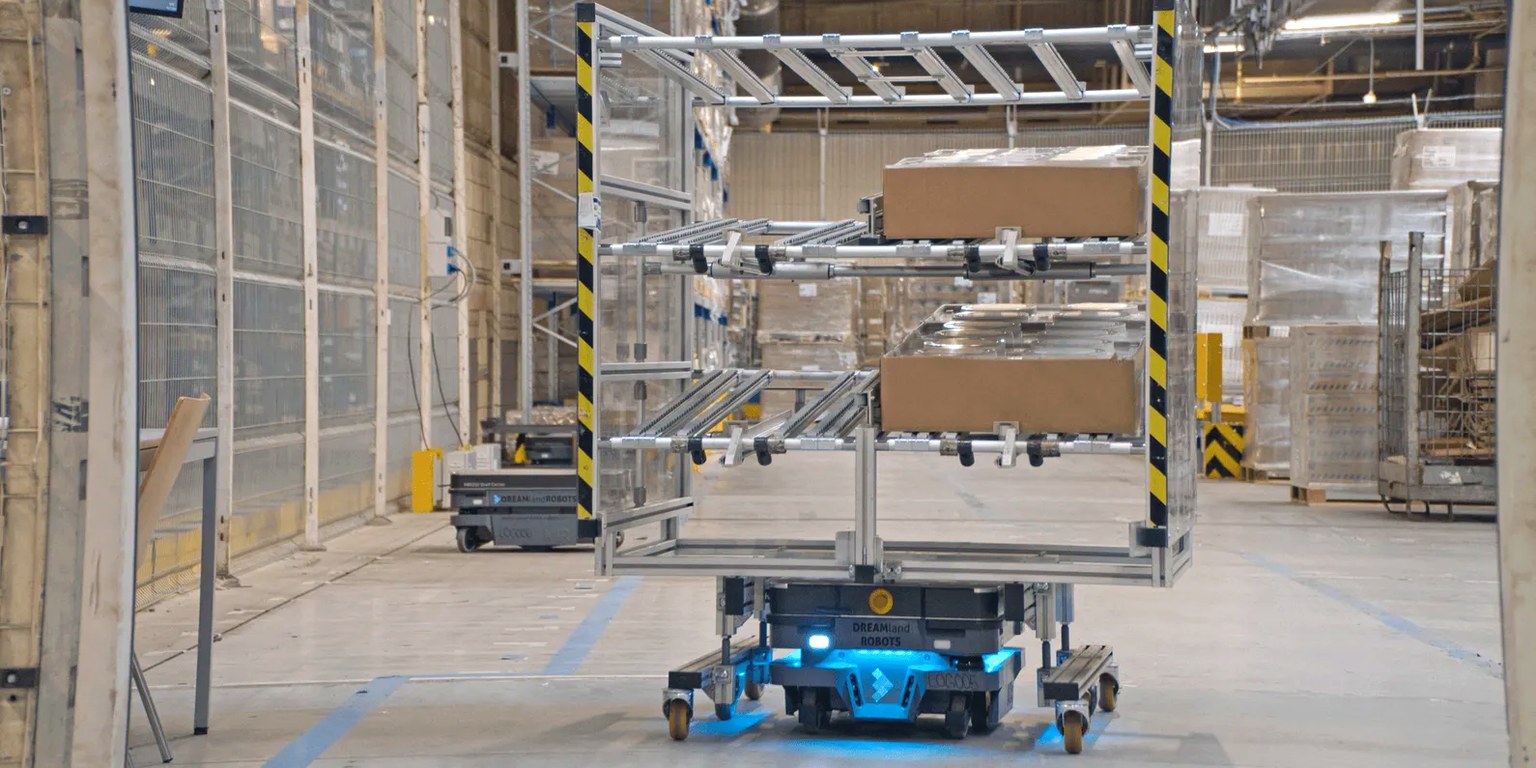
Improve material flow between systems that were never designed to hand off to each other. Autonomous mobile robots, custom buffer stations, and conveyor interfaces that keep product moving without adding headcount.
Applications: AMR material movement, custom buffer stations, conveyor integration.
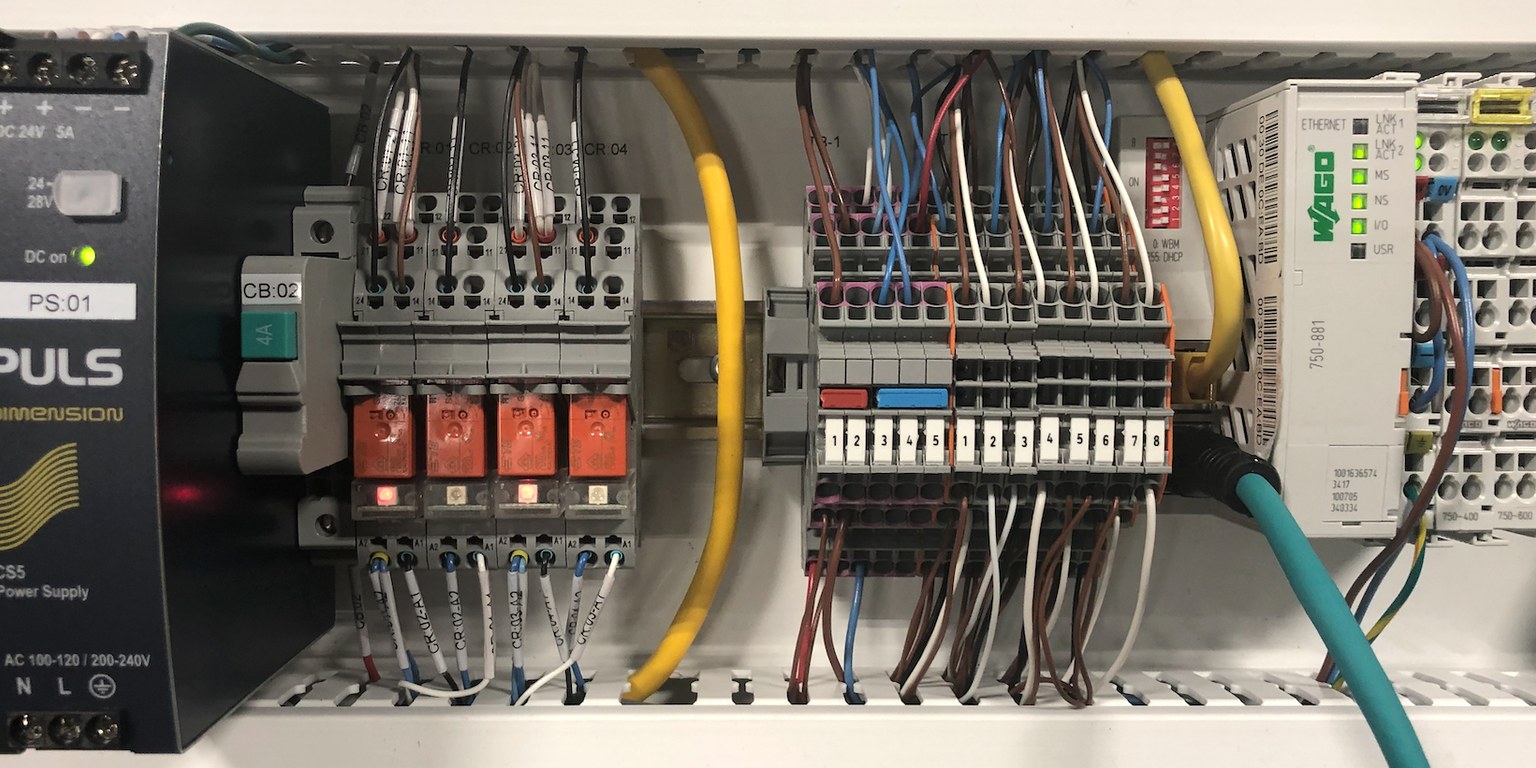
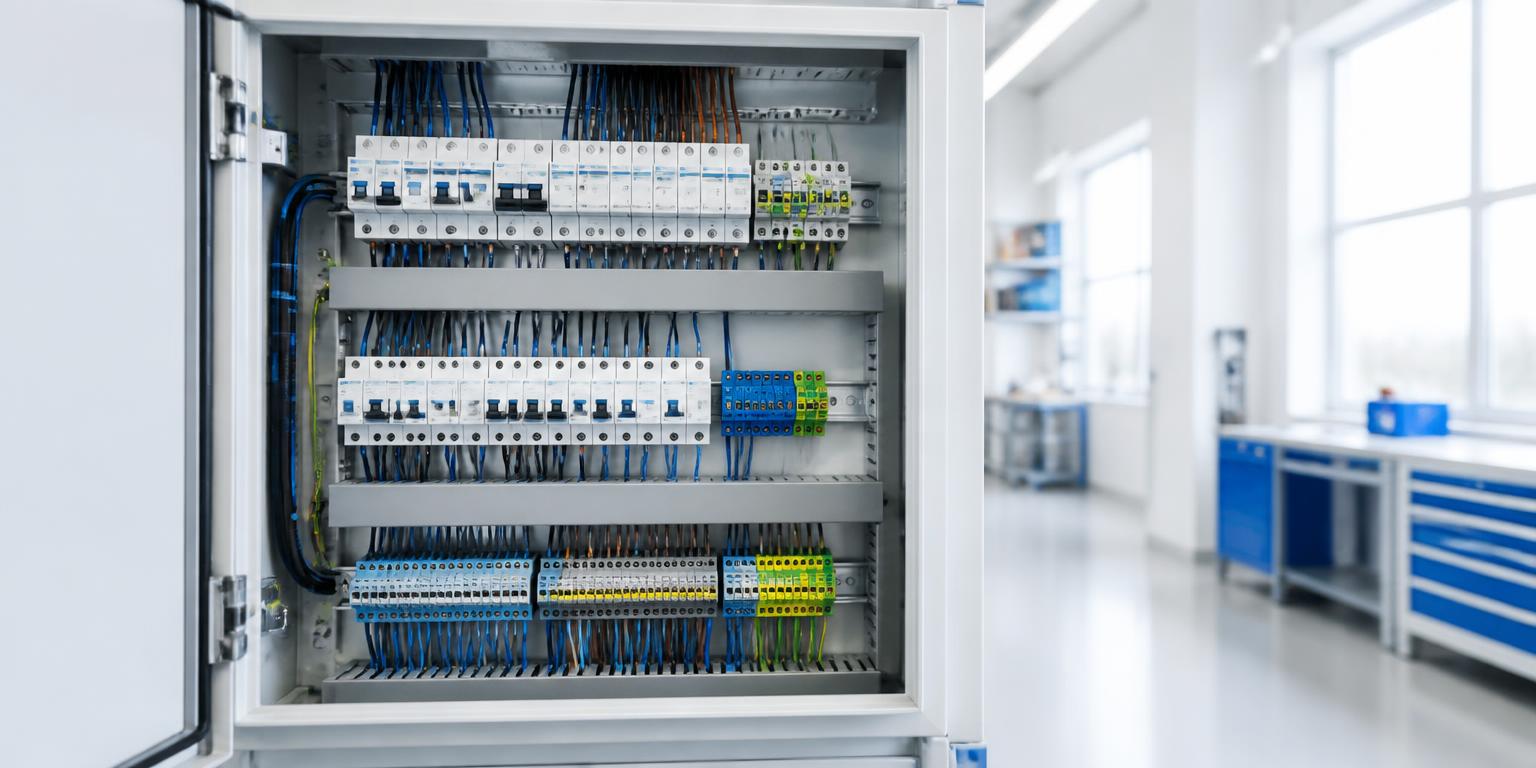
The competence that makes brownfield work safe. We interface with your existing WMS, ERP, PLC, and conveyor controls so a new cell drops into a live operation without becoming an unsupportable island. This is the difference between a custom machine and a solution you can run, maintain, and scale.
Applications: conveyor controls, PLC integration, upstream/downstream system handoffs.
Browse by operation zone
Start from where your bottleneck actually is. Each zone links to the gaps we close there and the case studies that prove it.
Prototyping
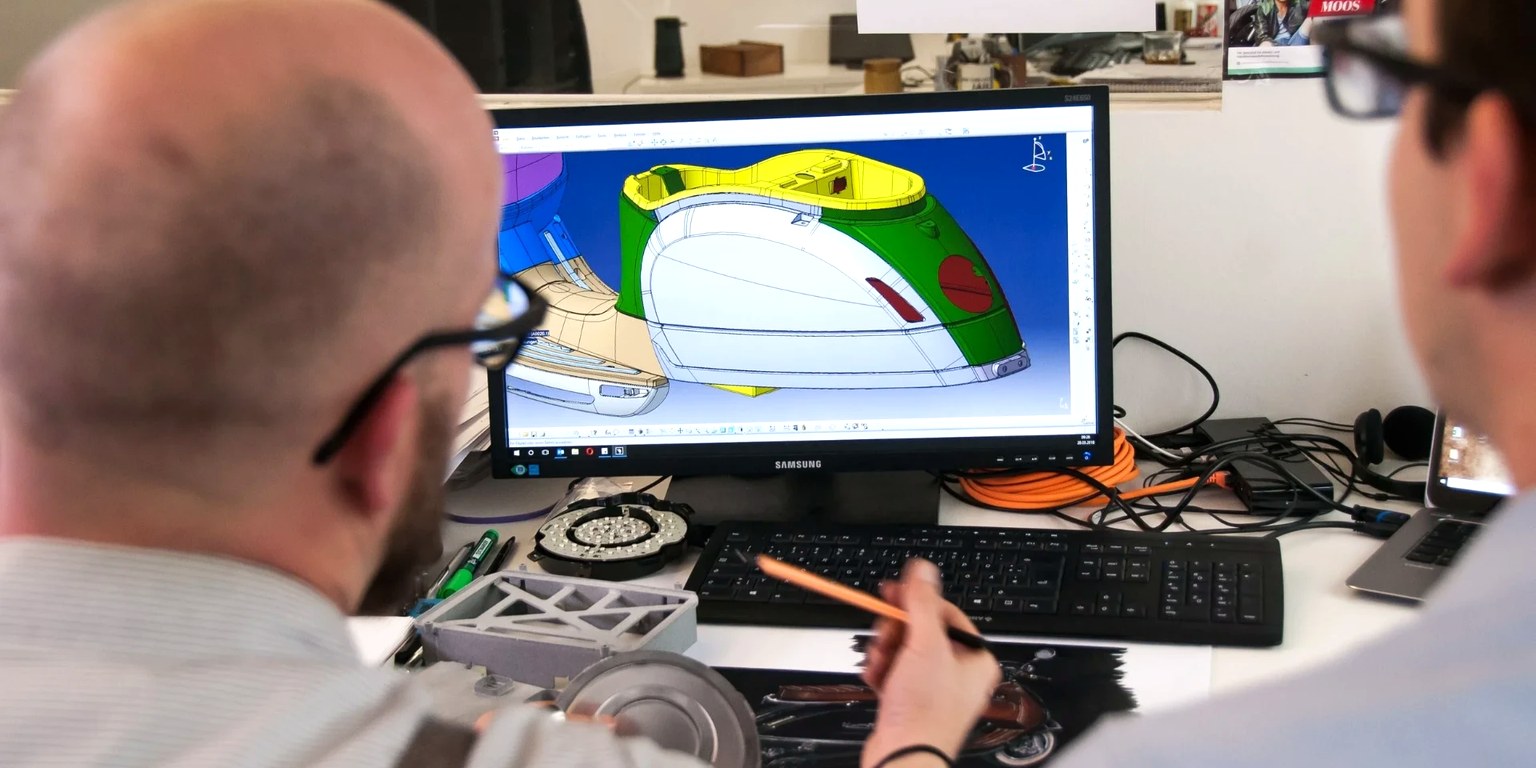
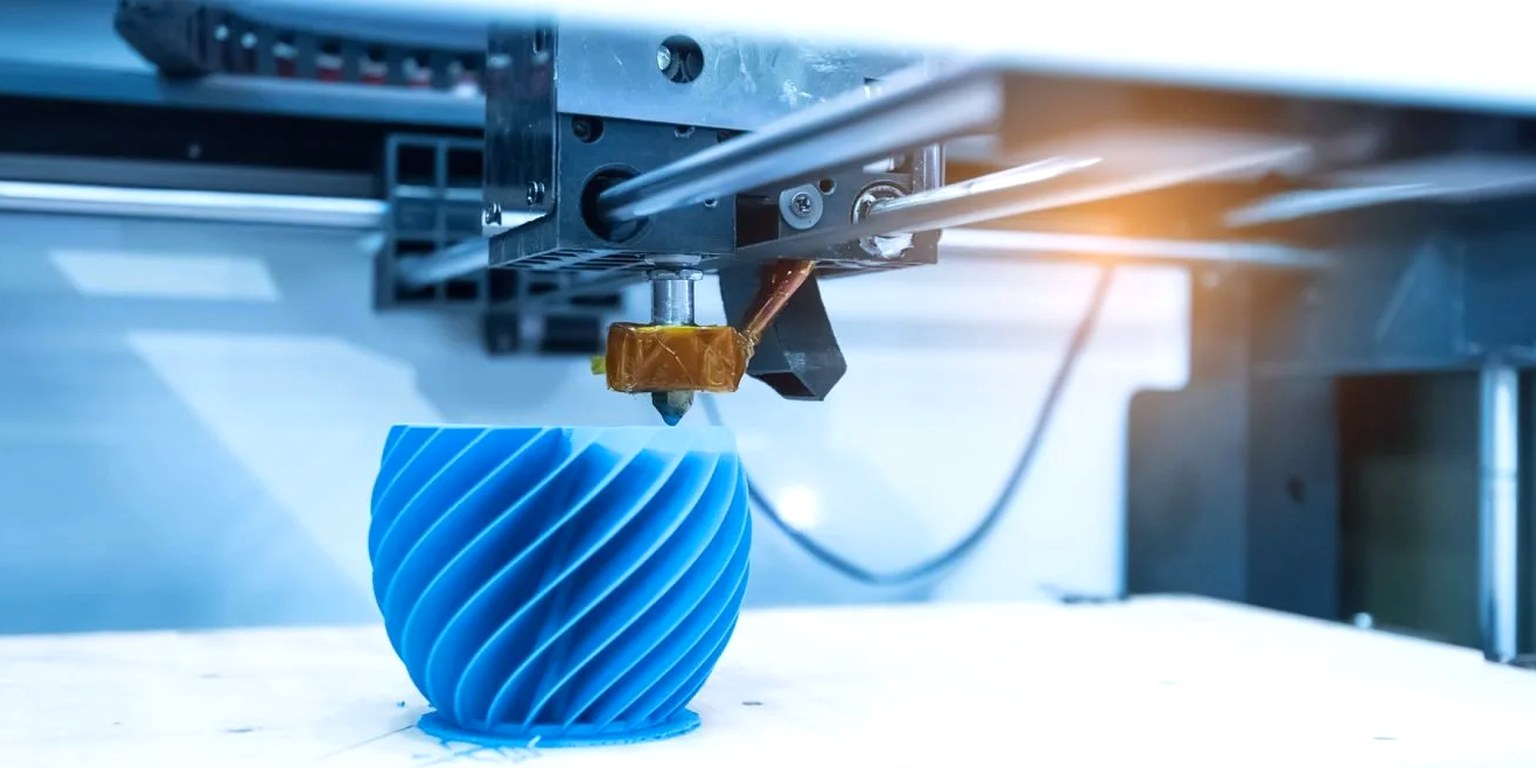
At the end of the first design phase, MDCI will produce a (or multiple) functional prototype(s) for the purpose of testing design functionality and user experience.
Phase 2 Design
We will analyze and interpret the results of testing the functional prototype and will incorporate any necessary changes to the design. The result of this process with be a first article for testing.
First Article
We will analyze and interpret the results of testing the first article and will incorporate any necessary changes to the design for serial production.
Documentation
All work that MDCI does is work for hire – which means that you own the design. At the end of the development process, MDCI will hand over to you a technical data package that will include all drawings, BOM, and any requested documentation (user manual, service manual, quick start guide, etc).
Certification Process Management
Depending on the product requirements, MDCI will help you navigate certification processes (UL, CE, CSA, FCC, etc.)
First Article
We will analyze and interpret the results of testing the first article and will incorporate any necessary changes to the design for serial production.
Serial Production
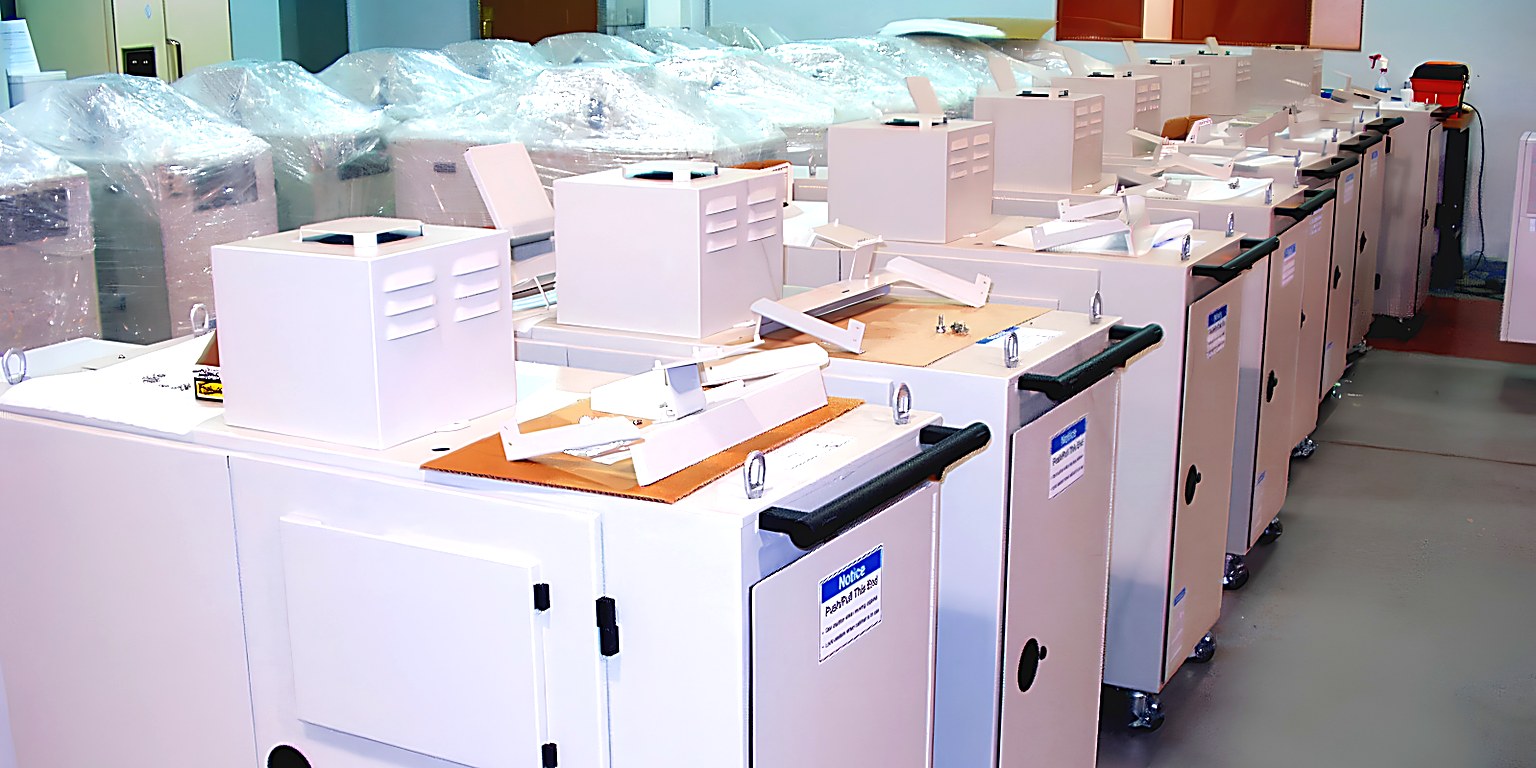
MDCI has a 30,000 sq ft manufacturing facility in Hatfield, PA, where we set up serial production of your product or system.